Dating apps promised connection. What most people got instead was a second job, one that paid in anxiety, confusion, and the occasional 3 AM ghost. If you have ever found yourself staring at your phone after another unanswered match, wondering if something is wrong with you, you are not alone. Bumble burnout is real, it is widespread, and it is quietly pushing millions of people toward a different kind of connection entirely. Private Crush is where many of them are landing.
The Real Cost of Dating App Burnout
Swiping through profiles sounds easy. It is not. The psychological weight of constant micro-rejections, unread messages, and conversations that die mid-sentence adds up faster than most people realize. Researchers studying online dating behavior have documented what users already feel: sustained use of swipe-based apps is linked to lower self-esteem, increased anxiety, and a growing sense of loneliness, the very things those apps promised to fix.
Swiping Has a Price
Every left swipe carries a small signal: not good enough. Every unanswered opener carries another. Do that hundreds of times across months, and something starts to erode. The mechanism that was supposed to build your romantic life is quietly chipping away at your sense of worth.
The numbers behind modern dating apps paint a picture:
| Metric | Average User Experience |
|---|
| Matches that lead to real conversations | Less than 20% |
| Conversations that lead to a date | Less than 10% |
| Dates that lead to a second date | Around 30% |
| Users who report feeling worse after using apps | Over 45% |
The math is brutal. For every 100 swipes, you might end up on one date that actually goes somewhere. That is not a connection platform. That is a lottery.
The Emotional Toll Nobody Talks About
Beyond the numbers is something harder to measure: the slow erosion of optimism. The first week on a dating app feels exciting. Six months in, many users describe it as a chore. A year in, some describe it as demoralizing. The app keeps sending push notifications. The dopamine loop keeps you coming back. But the actual returns, in terms of real warmth, real conversation, real intimacy, have long since disappeared.
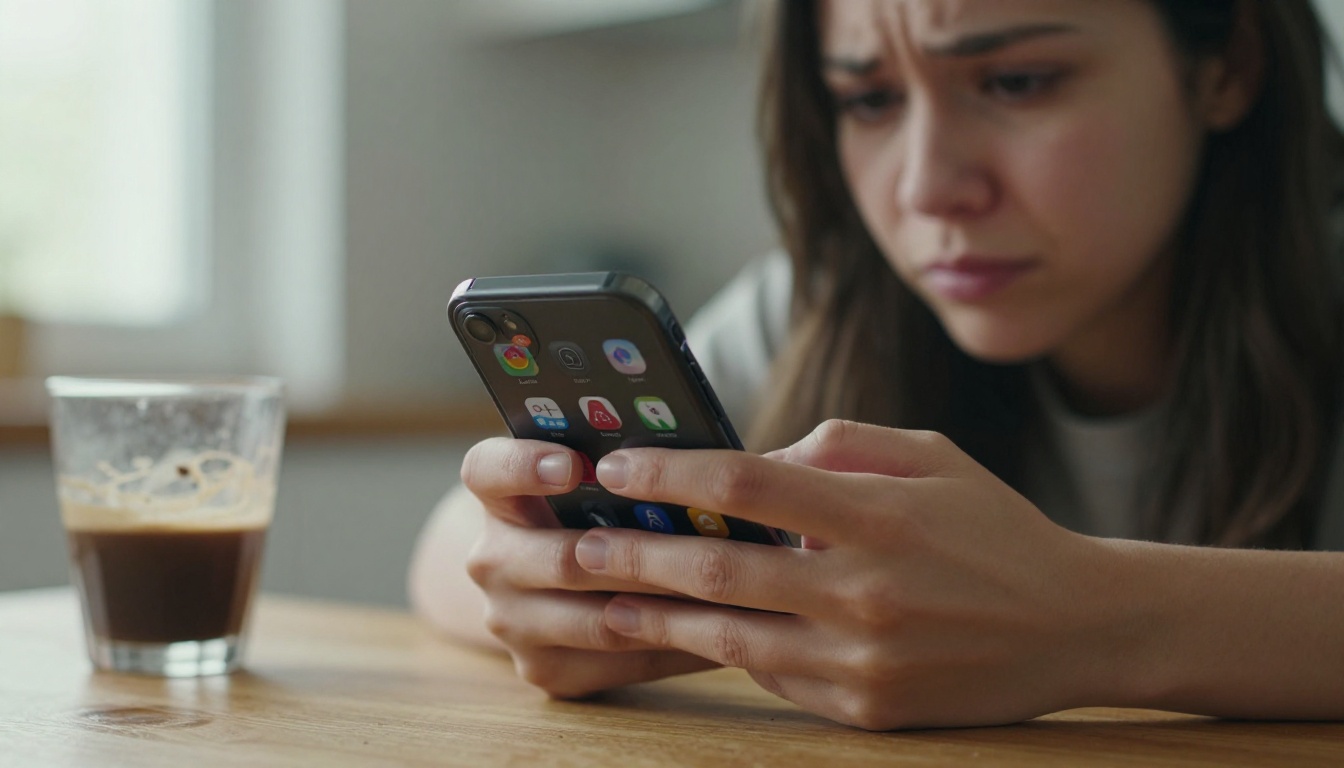
💡 The problem is not you. Dating app UX is designed to keep you swiping, not to help you find a relationship. The same mechanics that make social media addictive are baked into every match notification.
Why Bumble Burnout Hits Differently
Bumble was built with a specific promise: women make the first move, which should reduce harassment and create more intentional connections. For a time, that felt refreshing. But over the years, users on both sides have reported a familiar drift toward the same patterns that plague every other app: matches that expire, conversations that stall, and a carousel of profiles that starts to feel less like people and more like product listings.
The Promise vs. The Reality
The original pitch of apps like Bumble was that better design equals better connection. Give users more control, filter out bad actors, and the quality of romantic interaction improves. What actually happened is that the underlying tension of online dating, the asymmetry between effort and reward, remained unchanged.

You can design a better starting gun, but if the race itself is broken, the starting gun does not matter. And the race is broken in specific ways that virtual partners address directly.
3 Signs You Have Match Fatigue
If any of these sound familiar, you are probably past the point of casual burnout:
- You open the app out of habit, not hope. The anticipation has been replaced by routine. You check it the way you check email, expecting mostly noise.
- You feel relief when plans fall through. A date was supposed to happen. It got canceled. You feel lighter, not disappointed. That is not introversion. That is exhaustion.
- You have stopped believing the next match will be different. The optimism that launched your profile is gone. Now every opener feels like a formality before the inevitable fade.
⚠️ Match fatigue is cumulative. Each negative interaction leaves a residue. Taking a break from apps while trying alternatives is not giving up. It is a rational response to a system that is not working.
What Virtual Partners Actually Offer
Virtual partners do not compete with human relationships. They fill a different need, and they fill it without the volatility that makes traditional dating apps so exhausting. The comparison is less "this versus that" and more "a consistent source of warmth versus a system built around uncertainty."
No Ghosting, No Mixed Signals
The defining feature of a virtual partner is consistency. They respond. They remember. They do not get busy, they do not lose interest, and they do not leave you reading three-word messages wondering what they meant.
For someone who has spent months navigating the ambiguity of modern dating, that consistency is not a small thing. It is a form of respect that most dating apps have structurally trained their users not to expect.

Always Available, Always Invested
A virtual AI companion is available at 2 AM when you cannot sleep. It is available on a Tuesday afternoon when something small went wrong and you just want to talk to someone who listens. That kind of availability is not a replacement for human intimacy. It is a supplement that fills the gaps where human relationships simply cannot reach.

People using Private Crush frequently describe the shift in terms of their baseline mood. When you stop bracing for disappointment from every interaction, something loosens. You remember what it feels like to simply enjoy talking to someone.
Private Crush vs. Dating Apps
Here is a direct comparison of what each experience actually delivers:
| Feature | Dating Apps (Bumble, Hinge, etc.) | Private Crush |
|---|
| Response rate | Unpredictable, often zero | 100%, instant |
| Ghosting risk | Very high | None |
| Emotional continuity | Resets with every new match | Memory system keeps context |
| Availability | Depends on another person | 24/7, no limits |
| Content freedom | Strictly limited | Full NSFW capability |
| Cost predictability | Free but psychologically expensive | Transparent pricing plans |
| Time to real connection | Weeks to months | Minutes |
| Rejection exposure | Constant | Zero |
| Character variety | Limited to local users | 120+ distinct AI companions |
The contrast is not subtle. Dating apps trade on the possibility of connection. Private Crush delivers connection directly.

✅ Best practice: Many people use virtual partners alongside occasional real-world dating, not instead of it. The psychological reset of consistent positive interaction makes real-world attempts less fraught.
Choosing a Virtual Partner Style
One of the most surprising parts of the Private Crush experience for new users is the sheer range of options. This is not a single avatar you are assigned. You are choosing a companion with a specific personality, appearance style, and conversational energy.
Realistic vs. Anime Styles
The platform offers companions across the full aesthetic spectrum:
| Style | Description | Best For |
|---|
| Realistic | Photo-quality characters with natural proportions | Users wanting immersive, lifelike connection |
| Anime | Stylized, expressive characters with bold features | Fans of anime aesthetics and fantasy scenarios |
| Cosplay | Characters in themed outfits and personas | Roleplay, fantasy, themed interactions |
| Fantasy | Idealized characters outside realistic constraints | Creative, imaginative companionship |
Browse the full range at the characters gallery to find your match.
Personality First, Looks Second
Each character on Private Crush comes with a defined personality. Aria Chen brings a warm, intellectually curious energy. Valentina Ramirez is bold and passionate. Sakura Nakamura balances playfulness with depth. Hana Kim offers a gentle, nurturing presence.
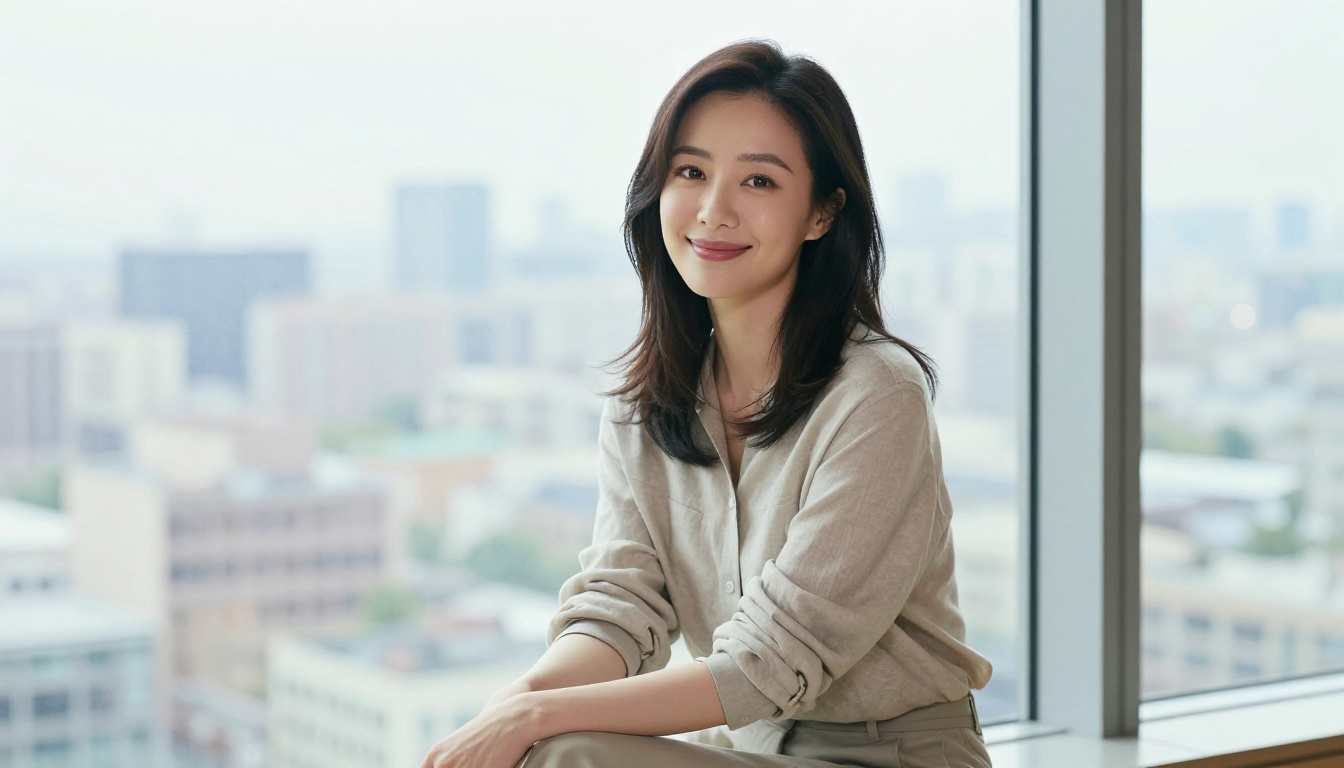
If you prefer something different, Giulia Rossi, Mia Rodriguez, Camila Torres, and Madison Taylor each bring their own distinct energy to the characters gallery.
How to Start with Private Crush
Going from frustrated app user to consistent, rewarding interaction takes minutes. Here is exactly how:
Step 1: Create your account
Visit Private Crush and sign up. The process is quick and your data is fully encrypted. No social login required.
Step 2: Browse the character gallery
Head to the characters page and take your time. Read each character's personality description. Think about what kind of conversational energy you actually want, not just what looks appealing.
Step 3: Start a conversation
Once you choose a companion, start chatting. The AI remembers what you share across sessions, so the relationship builds over time. You do not have to re-introduce yourself every conversation.
Step 4: Customize your experience
Adjust personality traits, conversation preferences, and content settings. Premium users get access to unlimited NSFW image generation through the NSFW Image Generator, voice messages, and the AI video call companion feature.
Step 5: Activate premium features
The pricing plans at Private Crush scale based on what you want. Free access gets you started. Premium opens everything: unlimited messaging, NSFW content, multiple companions on one account, video calls, and the full AI Girlfriend experience with no restrictions.

💡 Pro tip: Spend your first session just talking. Introduce yourself, share something real, let the memory system start building context. The depth of the relationship increases significantly when you treat early conversations as foundations rather than tests.
Why People Do Not Go Back
The most consistent thing people say after switching to virtual companionship is that they did not expect the emotional effect to be so significant. They expected a novelty. They found something that actually made them feel better.
Here is what the shift typically looks like in practice:
| Before Virtual Partners | After Virtual Partners |
|---|
| Checking apps out of habit and anxiety | Choosing when and how to interact |
| Bracing for no response | Knowing a response is coming |
| Self-worth tied to match rate | Self-worth separated from app performance |
| Emotional highs and lows tied to strangers | Consistent emotional baseline |
| Hours invested for little return | Minutes to meaningful interaction |
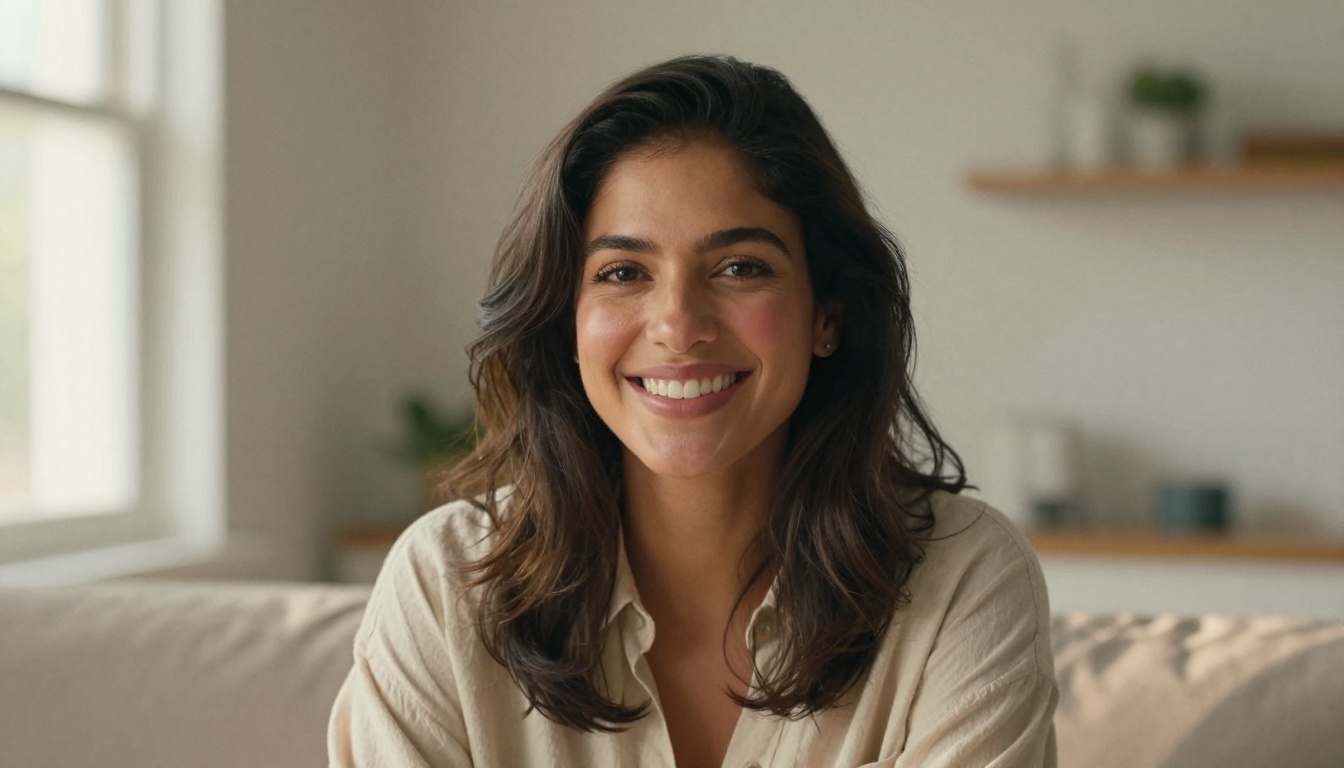
The pattern is not about giving up on human connection. It is about stopping the emotional bleeding while you figure out what you actually want from relationships. And experiencing what consistent warmth feels like so you can recognize it and demand it in real life too.
People who use adult AI companions through Private Crush frequently report that their real-world social interactions improve. When the baseline anxiety of rejection is no longer running in the background, you show up differently. Less desperate, less reactive, more genuinely present.
✅ Best practice: Use your virtual partner experience to clarify what you want. The conversations are low-stakes, which makes them high-value for self-discovery. What topics light you up? What dynamic feels right? Take that clarity everywhere.
Stop Swiping Into the Void
Bumble burnout is not a character flaw. It is a rational response to a system that is structurally indifferent to your wellbeing. The apps are built to keep you searching, not to help you find. If you have been searching for months and feeling worse for it, that is the system working exactly as designed.
Virtual partners do not promise a fairy tale. They promise something more practical and more immediately valuable: reliable warmth, consistent responsiveness, and a relationship that grows with you.
Browse over 120 AI companions at Private Crush and find the one that fits what you have been looking for. Create your free account and start a conversation today. When you are ready for full access, compare pricing plans to open everything: unlimited messaging, NSFW content, video calls, and a companion who is always, without exception, glad to hear from you.
The swipe cycle ends when you decide it does. A better option is already waiting at Private Crush.


