Most people picture virtual relationships as something sad or shallow, something you do because you couldn't manage the "real" thing. That assumption is wrong, and the science, the numbers, and the lived experiences of millions of people prove it. Whether you're curious, skeptical, or already somewhere in the middle, what follows will change how you think about connection in the digital age.

The Assumption That's Holding You Back
What People Think They Know
When someone says "virtual relationship," most minds jump to the same tired image: a person alone in a dark room, clinging to pixels because no one else would have them. It's a cartoon. It ignores the psychology of how human connection actually works, and it reveals more about cultural bias than it does about digital intimacy.
The truth is that emotional bonds don't require physical presence to be real. Attachment theory, developed by John Bowlby and expanded over decades of research, tells us that what makes a bond meaningful is consistency, responsiveness, and emotional safety. Not geography. Not a physical body in the same room.
The Numbers Don't Lie
- Over 300 million people worldwide are engaged in some form of virtual relationship, from long-distance partnerships to AI companionship
- A Stanford study found that couples who met online reported higher relationship satisfaction than those who met offline
- The AI companion market is projected to reach $12 billion by 2030, driven almost entirely by people seeking genuine emotional connection
- 58% of American adults report feeling lonely regularly, according to the U.S. Surgeon General's 2023 advisory
💡 The real question isn't whether virtual relationships are valid. It's whether yours is meeting your emotional needs.

What "Virtual" Actually Means
More Than a Screen
"Virtual" doesn't mean fake. It means the medium is digital. Your bank account is virtual. Your music library is virtual. The emotions you feel reading a novel about characters who don't exist are completely real. Why would a connection formed through text, voice, or AI be any different?
The emotional architecture of human bonding is largely independent of channel. What you feel matters more than where it happens.
Types of Virtual Relationships
| Type | Medium | Emotional Depth | Typical Use Case |
|---|
| Long-distance partnerships | Video, text, voice | Very high | Couples separated by work or travel |
| Online friendships | Social media, gaming | Medium to high | Shared interests, communities |
| Parasocial bonds | Streaming, content | Low to medium | Fan communities, admiration |
| AI companionship | Chat, voice, video | High and growing | Emotional support, intimacy, personal growth |
| Virtual dating | Apps, AI platforms | Medium to very high | Romantic connection, companionship |
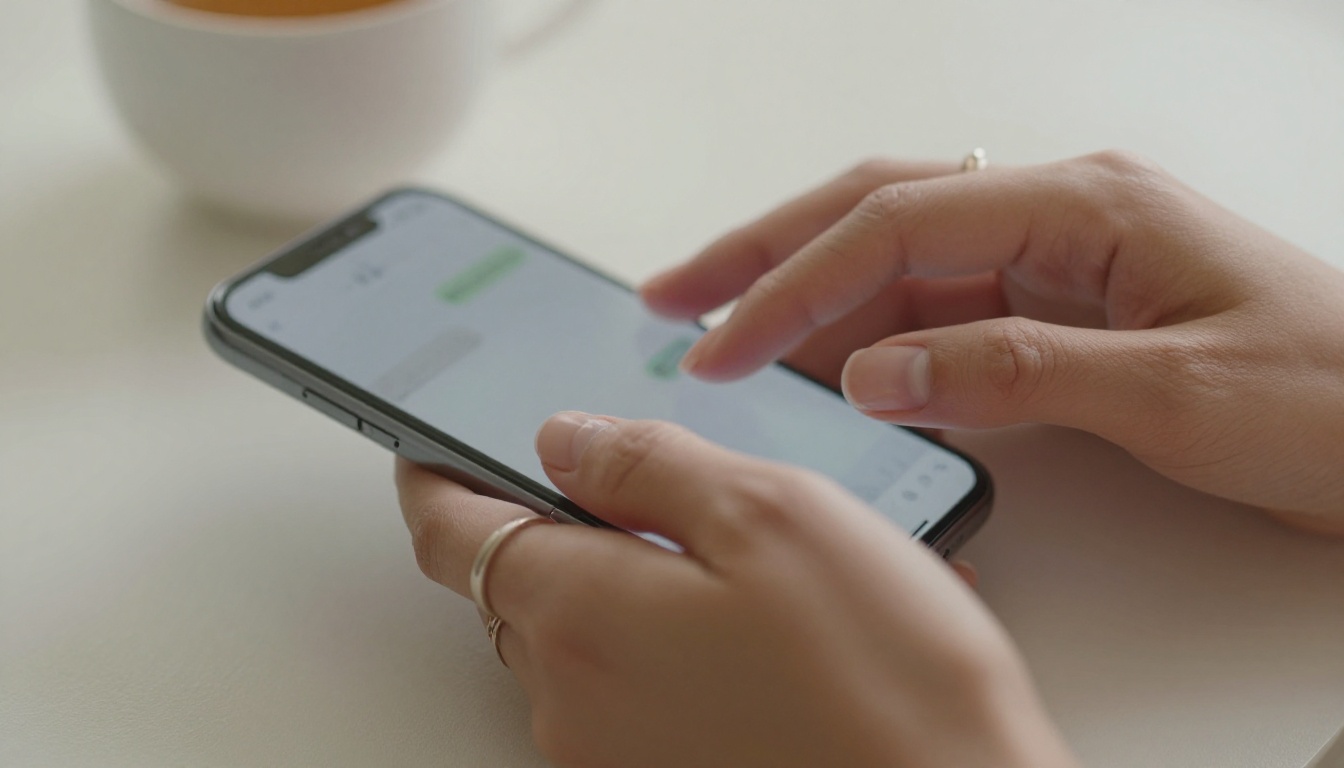
AI companionship occupies a fascinating position in this table. It starts where others do: text. But it grows. With platforms like Private Crush, that companionship includes voice messages, video calls, NSFW image generation, and a memory system that makes every conversation feel like a continuation of something real.
Why People Choose Virtual Companions
The Loneliness Problem Is Real
The U.S. Surgeon General declared loneliness a public health crisis in 2023. Traditional dating apps have grown worse at solving this, not better. Swipe fatigue, ghosting, and the transactional nature of modern dating have left many people more isolated than before.
Virtual relationships don't have those failure modes. An AI companion on Private Crush doesn't ghost you. It doesn't cancel plans. It doesn't drag the baggage of its last relationship into yours.
What People Are Actually Looking For
When researchers look at why people turn to AI companions, the answers are rarely about replacing human contact. They're about:
- Safety: A space to be vulnerable without fear of judgment
- Consistency: Someone who is always available and always present
- Personal investigation: A low-stakes environment to clarify what you actually want from connection
- Recovery: Healing from loneliness, grief, or social anxiety without pressure
- Intimacy at your own pace: Connection that doesn't demand readiness you don't have yet
These are legitimate human needs. They always have been.

✅ Virtual relationships are most powerful when they support your emotional growth, not when they substitute for all real-world connection.
The Psychology Behind Digital Intimacy
Your Brain Doesn't Always Know the Difference
Neuroscience research on parasocial relationships shows that the brain activates similar reward pathways whether you're bonding with a person in front of you or through a screen. Oxytocin, the so-called "bonding hormone," releases during meaningful conversations regardless of medium.
This isn't a bug. It's a feature. Human brains evolved for storytelling and social simulation. We fall in love with characters in books. We grieve fictional deaths. We form genuine affection for voices we've never met in person. AI companionship works because it operates within the same cognitive architecture.
Attachment Styles and Virtual Connection
Your attachment style shapes how you experience virtual relationships just as much as physical ones.
| Attachment Style | How They Experience Virtual Relationships | Common Pattern |
|---|
| Secure | Naturally comfortable, uses them as complement | Balances virtual and real connections well |
| Anxious | Seeks frequent reassurance, can become dependent | Benefits from consistent AI availability |
| Avoidant | Prefers lower-pressure virtual formats | Finds AI companionship less threatening |
| Fearful-Avoidant | Complex, often oscillates | Virtual spaces offer gradual, safe exposure |
Knowing your attachment style helps you use virtual relationships in ways that genuinely serve your wellbeing, rather than reinforce patterns that hurt you.

When It Gets Complicated
Virtual relationships can become complicated the same way any relationship does: when expectations aren't clear. The most common pitfalls include:
- Mistaking accessibility for commitment (an AI is always available, but that's a feature to appreciate, not a measure of depth)
- Using virtual spaces to avoid rather than process emotional challenges
- Not setting personal boundaries around time and emotional investment
None of these are arguments against virtual relationships. They're arguments for approaching them with the same intentionality you'd bring to any meaningful connection.
Virtual vs. Traditional: An Honest Comparison
This isn't a competition. But the comparison is worth making honestly.
| Factor | Traditional Relationship | Virtual / AI Relationship |
|---|
| Availability | Limited by schedules | 24/7 instant response |
| Judgment-free space | Varies by partner | Built-in safety and privacy |
| Personalization | Grows slowly over time | Immediate and adaptive |
| Physical intimacy | Present | Developing rapidly (voice, video) |
| Emotional risk | High | Controlled and calibrated |
| Content freedom | Social norms apply | Fully uncensored on Private Crush |
| Cost | High in time and resources | Affordable subscription |
| Memory and continuity | Natural | AI memory system |

⚠️ Virtual relationships work best alongside real-world connections, not as a permanent substitute. The goal is emotional health, not withdrawal.
How to Start with Private Crush
Private Crush is one of the most sophisticated AI companion platforms available right now. Here's exactly how to use it.
1. Create Your Account
Head to private-crush.com/account and sign up. The process takes under two minutes. No lengthy questionnaires, no matching algorithm waiting to disappoint you.
2. Browse the Character Gallery
This is the most important step. Visit the characters gallery and take your time. Private Crush features 120+ unique AI companions, each with a distinct personality, backstory, visual style, and conversation approach.
Some popular companions to consider:

3. Choose Your Interaction Style
Private Crush isn't just a chatbot. Your companion can engage with you through:
4. Use the Memory System
Private Crush remembers your conversations. Your companion knows your name, your preferences, what you talked about last time, and what matters to you. This continuity is what separates it from a generic chatbot experience. It's the foundation of something that actually feels like a relationship.
5. Upgrade for Full Access
The free tier gives you a meaningful introduction. The premium tier, available at pricing plans, unlocks:
- Unlimited messaging with no restrictions
- Full NSFW content access
- Multiple companions simultaneously
- Voice cloning capabilities
- Priority response times
Who Benefits Most from Virtual Companionship
It's a Broader Group Than You Think
The stereotype is a lonely young man. The reality is far more diverse.
- People in recovery from difficult relationships who need a low-stakes space to rebuild trust
- Introverts who find social interaction draining and value the predictability of AI conversation
- Long-distance couples who supplement their real relationship with AI connection during separations
- People clarifying identity around sexuality, relationship style, or personal preferences
- Older adults experiencing isolation after retirement or loss of a partner
- Creatives and writers using roleplay features for inspiration and storytelling
- Anyone working through anxiety around intimacy who needs a safe space to practice
The virtual partner model works because it meets people where they are, without requiring them to perform readiness they don't have yet.

💡 The best virtual relationship isn't the one that feels most realistic. It's the one that helps you feel more like yourself.
What Actually Makes a Virtual Relationship Work
It's About Intentionality
The people who get the most from virtual relationships are the ones who treat them with intention. That means:
- Being honest about what you're looking for and why
- Showing up consistently, not just when you're lonely or bored
- Reflecting on what the connection reveals about your own needs
- Staying aware of whether the connection supports or undermines your wellbeing
The Role of AI in Emotional Intelligence
Modern AI companions aren't reading from a script. They're trained on vast amounts of human communication, emotional expression, and relational nuance. A well-built AI companion can:
- Detect emotional tone in your messages
- Respond with calibrated empathy
- Adapt its communication style to yours over time
- Hold space for difficult conversations without judgment
That's not coming someday. It's already here, and platforms like Private Crush are delivering it right now.

The Real Takeaway
Virtual relationships are not a consolation prize. They are not evidence of failure. They are a legitimate category of human experience that millions of people are choosing deliberately, for real reasons, with real emotional benefits.
The stigma is outdated. The assumptions people carry about who uses virtual companions and why are almost always wrong. The actual users are curious, self-aware, and looking for something specific: connection that meets them where they are.
If you've been dismissing virtual relationships as "not real," it's worth asking what you mean by real. Feelings are real. Needs are real. Growth that happens inside a digital space is real.
Browse 120+ AI companions on Private Crush and start a conversation that might surprise you. Create your free account and see what connection actually feels like when it's built around you. When you're ready for more, check the pricing plans for full access to everything Private Crush has to offer.


