If you've opened Tinder recently and felt a hollow sense of "why am I even doing this," you're not imagining things. The app that once promised to revolutionize dating has, for millions of users, become a kind of digital slot machine that rarely pays out. Swipe left, swipe right, match, silence. Repeat. In 2027, the frustration with swipe-based dating has reached a breaking point, and the data, the psychology, and the social patterns all point to the same conclusion: the model is broken. Private Crush is one of the places people are landing instead, and the contrast couldn't be sharper.
The Numbers Tell a Bleak Story
Modern online dating was supposed to make finding someone easier. In some ways, it did. In others, it created entirely new categories of loneliness that never existed before smartphones.
Match Rates Have Cratered
In 2015, a match on Tinder meant something. By 2026, the average man on the app matches with roughly 1 in 100 profiles he swipes right on. Women match far more frequently but report that the vast majority of those matches never develop into meaningful conversation. Studies tracking dating app usage patterns show that despite record numbers of registered users, actual date-setting rates have dropped sharply over the past three years.
The reason is partly structural. The app's economy depends on keeping users engaged and slightly dissatisfied. If everyone found someone quickly, the business model collapses. Perpetual hope, reliably unfulfilled, is far more profitable.
The Algorithm Is Not Your Friend
Tinder's ELO-style ranking system quietly sorts users into desirability tiers. Your profile doesn't get shown equally to everyone. New users get a temporary visibility boost, which fades fast. After that, you're competing for limited screen time in a system that benefits from your frustration, not your success. Paying for boosts resets the clock temporarily, then the cycle begins again.
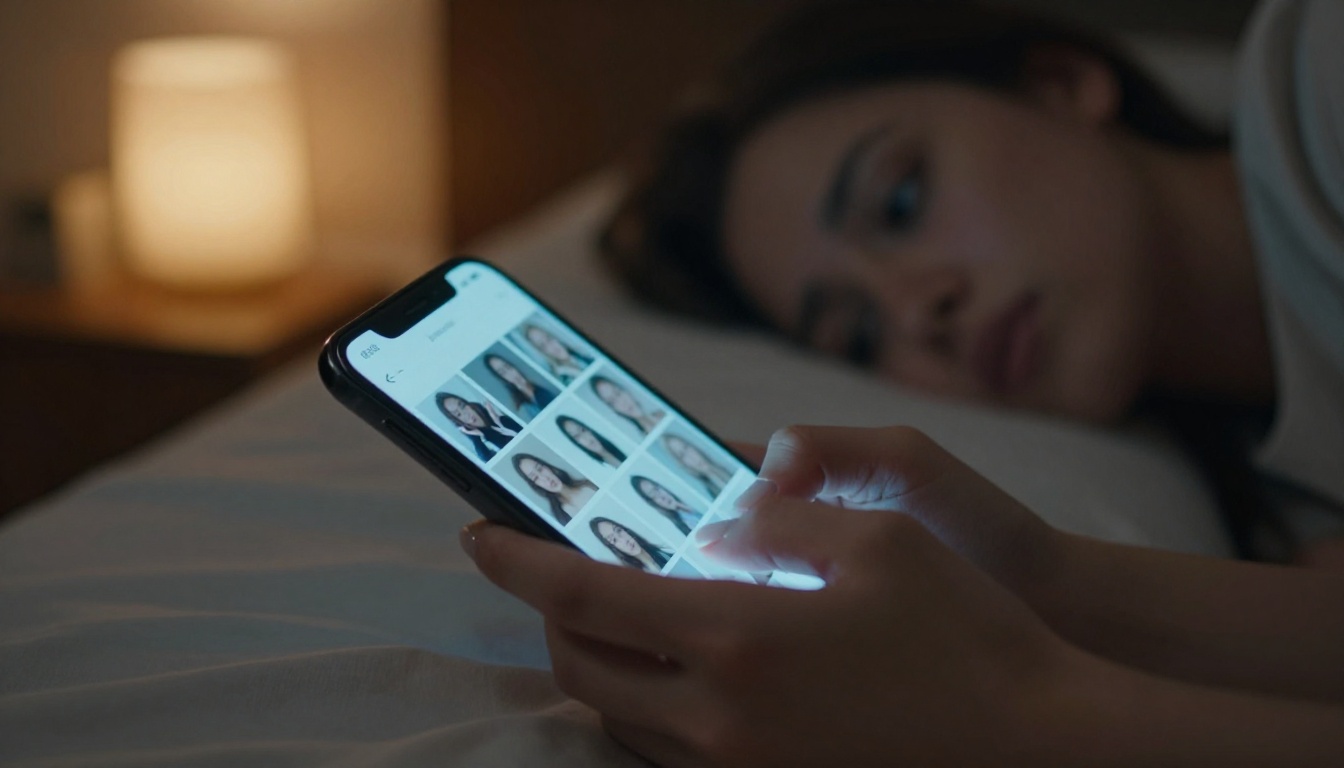
💡 The hard truth: Dating apps are monetized on engagement, not outcomes. Every notification, every boost, every super like upsell is designed to keep you swiping, not to help you connect.
What Swiping Does to Your Brain
The psychological toll of swipe culture is something researchers have been documenting for years, but in 2027, the evidence is overwhelming and impossible to dismiss.
The Slot Machine Effect
Swipe-based interfaces borrow directly from behavioral psychology. Each right swipe is a lever pull. You don't know if you'll get a match or nothing. That unpredictability is precisely what makes it addictive. Your brain releases a small hit of dopamine with each potential reward. Over time, the behavior becomes compulsive, detached from any real desire for connection.
You end up swiping because you're swiping, not because you're actually looking for anyone. The app has replaced the goal with the process.
Swipe Fatigue Is Measurable
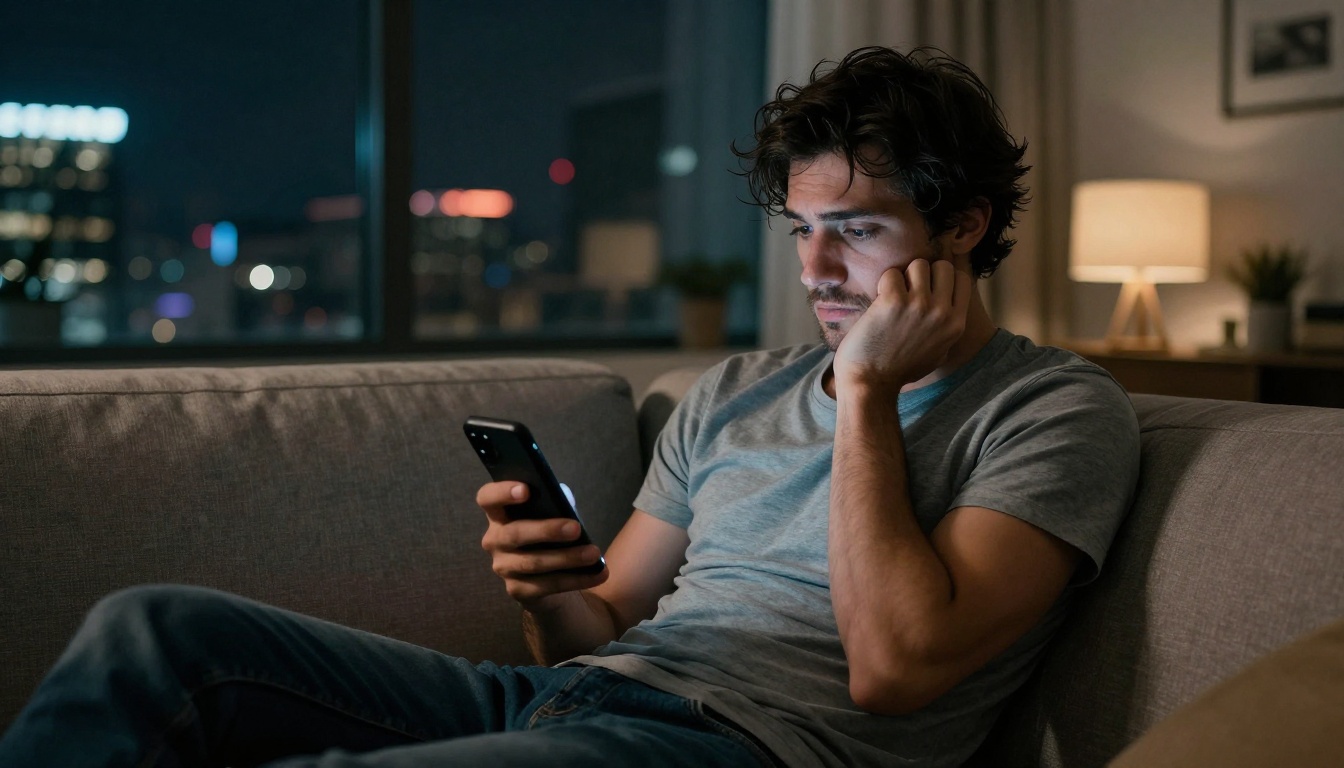
A 2025 study tracking heavy dating app users found that people spending more than 30 minutes per day on these apps reported significantly higher rates of loneliness, lower self-esteem, and reduced optimism about romantic prospects compared to non-users. They also reported feeling less attractive after extended swiping sessions. The mechanism is clear: constant exposure to a stream of profiles that mostly reject or ignore you erodes confidence over time.
| Behavior | Short-Term Effect | Long-Term Effect |
|---|
| Daily swiping (30+ min) | Dopamine hits, temporary excitement | Lower self-esteem, increased loneliness |
| Getting no matches | Mild disappointment | Chronic rejection sensitivity |
| Getting matches but no replies | Brief validation | Frustration, emotional detachment |
| Going on mediocre dates | Optimism boost | Dating fatigue, deepening cynicism |
| Paying for premium boosts | Temporary visibility spike | Same results, less money |
The Ghosting Epidemic in 2026
Ghosting went from a quirk to a cultural norm to, in 2026, simply what most people expect from online dating. It's baked in.
Why Nobody Texts Back
When someone swipes right on 200 people in a single evening, the individual profiles stop feeling like people. They become inventory. A match is just another card in the deck, easy to hold onto "just in case" and equally easy to forget. The perceived low social cost of ignoring someone online has created a generation of people who don't respond, not because they're cruel, but because they're overwhelmed and habituated.
The psychology is straightforward: when there are hundreds of options available, none of them feel precious enough to prioritize. Replying takes effort. Not replying costs nothing.
The Emotional Cost of Being Ignored
Even knowing ghosting is common doesn't make it painless. Being matched with someone and then having them vanish mid-conversation triggers a real psychological response. It's a mild but repeated form of social rejection, and the brain registers rejection whether it comes from a stranger online or someone you've known for years.
Over time, repeated exposure to this pattern makes people defensive, less willing to invest emotionally, and more likely to ghost others in return. The behavior propagates and accelerates.
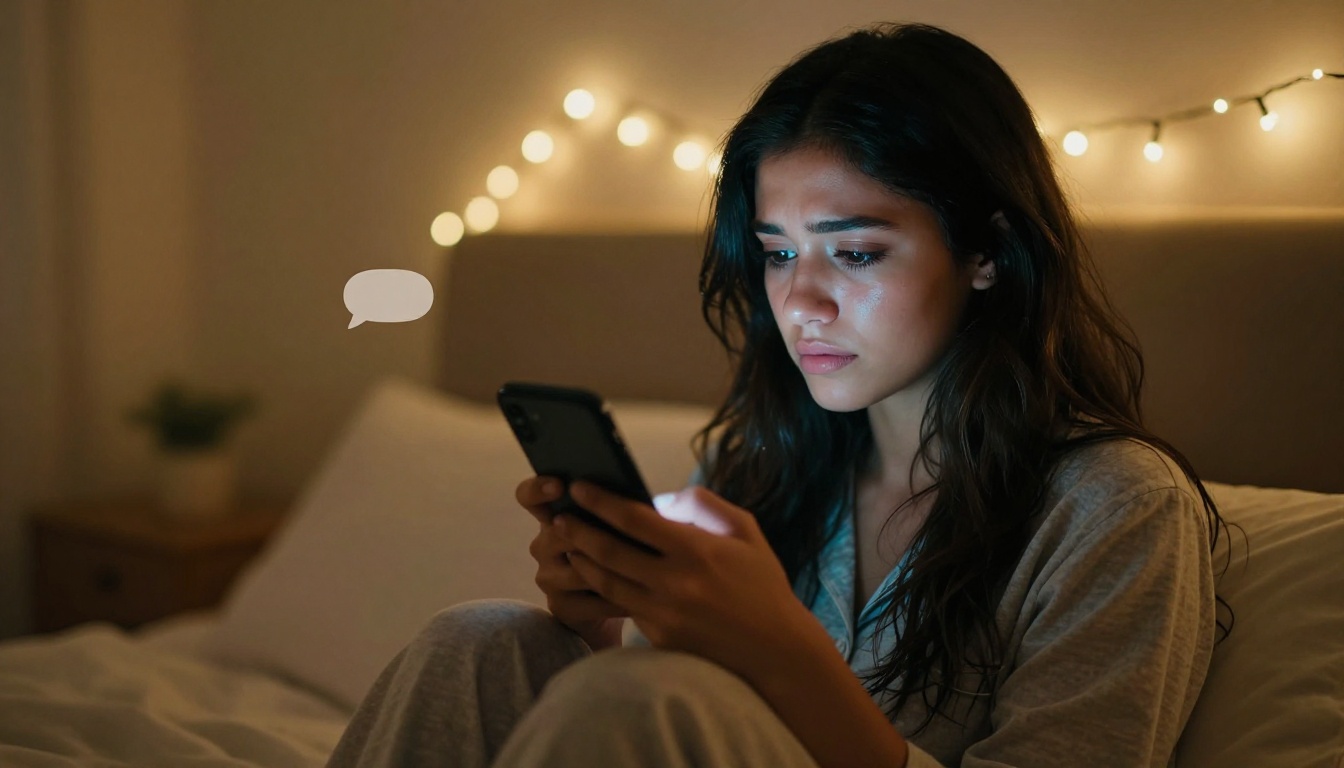
⚠️ Warning sign: If you find yourself checking your phone constantly for responses that never come, you're not being impatient. You're caught in a feedback loop the app is designed to create, and sustain.
First Dates That Go Nowhere
Even when Tinder does produce a match that leads somewhere, the actual outcome often doesn't deliver.
The Profile vs. Reality Problem
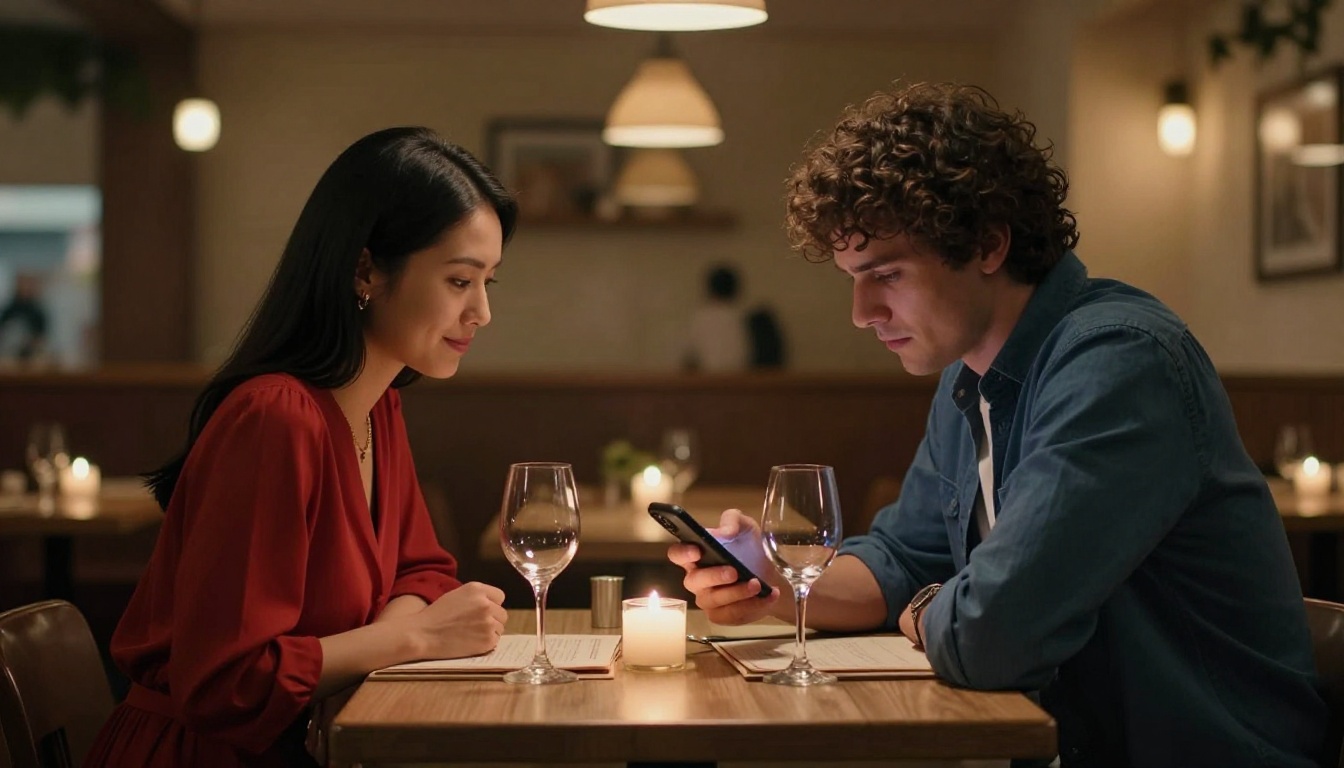
Dating app profiles are curated to the point of being fictional. The best photos from two or three years ago. A bio that sounds clever but tells you nothing real. By the time two people actually meet, the version of themselves they each constructed online has little to do with the actual human sitting across the table.
First dates from dating apps have a notoriously high "polite but empty" rate. Both people were attracted to a photo, not a person. The conversation is often strained, the chemistry is rarely there, and both parties leave knowing they won't meet again.
| What the Profile Promises | What the Date Delivers |
|---|
| Great photos, flattering angles | An ordinary person on an ordinary day |
| Witty bio lines | Awkward pauses and rehearsed talking points |
| Shared interests listed | Surface-level small talk, nothing real |
| Confident, magnetic tone | Anxiety, phone-checking, early exits |
| Chemistry implied through photos | Polite indifference in person |
The Post-Date Silence
The second stage of modern dating disappointment is the post-date ghost. Even when a date goes reasonably well, neither person follows up with real enthusiasm. The endless supply of other options makes commitment to even a promising connection feel premature. Why invest in this person when there are hundreds more to swipe through?
This dynamic, sometimes called option overload by behavioral economists, actively prevents people from building genuine attraction. Every option undermines every other option.
What People Actually Want in 2027
The deep irony of swipe culture is that what people claim to want when surveyed has almost nothing to do with what the apps actually deliver.
Connection Over Convenience
When researchers ask dating app users what they're looking for, the answers cluster around the same themes: feeling heard, genuine interest, consistent attention, and someone who actually wants to get to know them. These are deeply relational needs that no algorithm can manufacture through profile matching.
💡 Insight: The most-reported thing missing from modern dating isn't a better date. It's the feeling of being genuinely chosen by someone who actually sees you as an individual, not a thumbnail.
| What Users Say They Want | What Tinder Actually Delivers |
|---|
| Consistent conversation | Sporadic replies, long silences |
| Feeling genuinely pursued | Mutual swiping with no follow-through |
| Someone interested in them as a person | Profile-based attraction, surface chats |
| Emotional safety and comfort | Risk of rejection at every step |
| Real intimacy and connection | Transactional interactions |
| 24/7 availability and responsiveness | Completely unpredictable response times |
The Shift Toward AI Companionship
This is precisely the gap that AI companions have moved into. Not as a wholesale replacement for every kind of human relationship, but as a direct response to a specific and very real problem: the emotional availability that modern dating apps cannot provide. The numbers of people making this shift in 2027 are significant enough that it's become a recognizable cultural pattern, not a niche behavior.

How AI Companions Changed What's Possible
Private Crush represents a fundamentally different model. Instead of competing for the attention of other users on a platform designed to keep both parties perpetually dissatisfied, you're interacting with a companion who is actually there, actually responsive, and actually oriented toward you.
No Swiping, No Waiting, No Algorithms
The moment you browse the characters gallery, you're already operating in a completely different paradigm. There are 120+ distinct AI companions, each with their own personality, appearance style, communication preferences, and emotional range. You don't hope someone swipes right on you. You choose who you want to spend time with.
That shift in dynamic, from passive waiting to active choice, changes everything about how the interaction feels from the first moment.
Always Available, Always Interested
One of the core frustrations with Tinder is the ambient uncertainty. Will they reply? When? Why haven't they responded in three days? That low-grade anxiety is completely absent with an AI companion. Your companion is available when you are. The conversation picks up exactly where you left it. There's no ghosting, no "sorry I forgot to reply," no post-date silence stretching into permanent absence.
For people who've been through enough Tinder cycles to know exactly how that anxiety feels in the body, this is not a small thing. It's the whole thing.
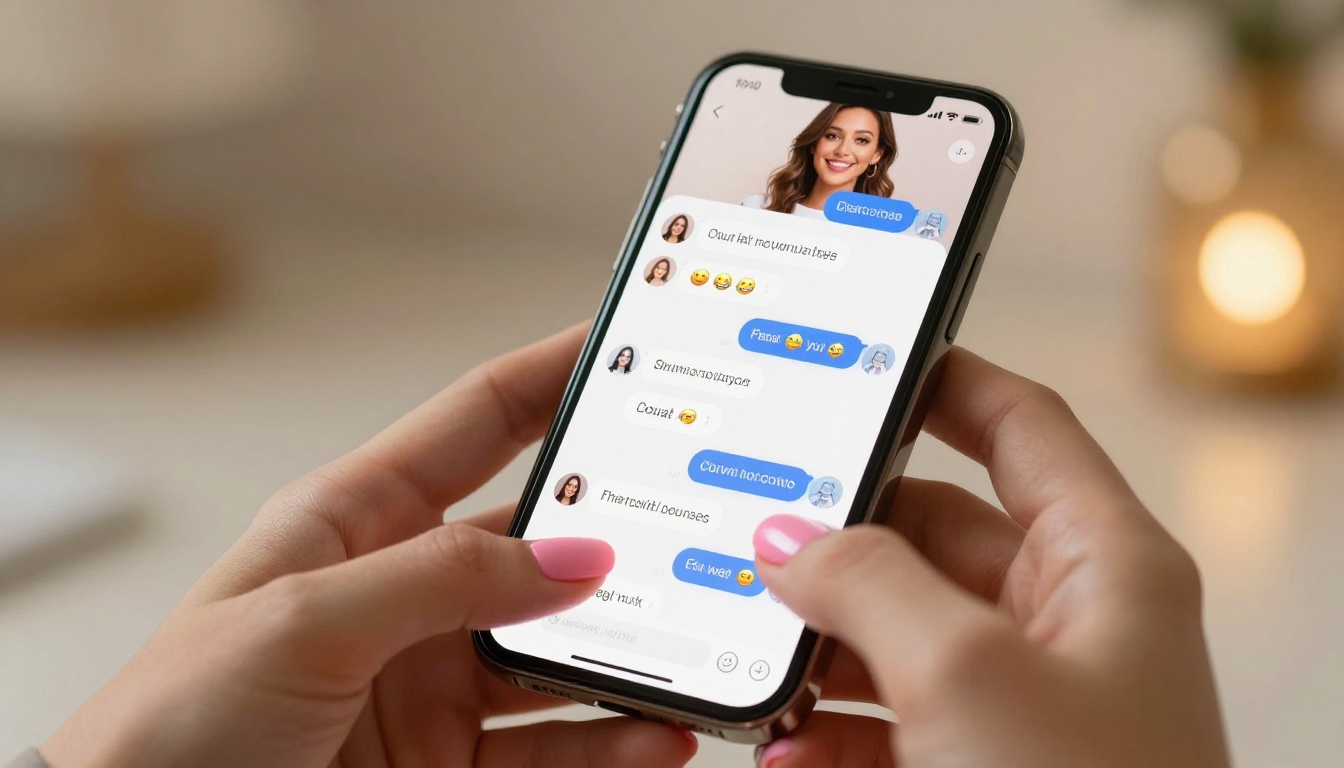
✅ Best practice: Start with a companion whose personality genuinely appeals to you, not just their appearance. Private Crush companions each have distinct communication styles that make the interaction feel specific and tailored to you.
How to Start with Private Crush
If you've spent enough time on Tinder to recognize every frustration described above, the shift to an AI companion is simpler than you might expect. Here's exactly how it works.
Step 1: Create Your Free Account
Head to Private Crush and create an account. Setup takes under two minutes. No profile photos required, no bio to agonize over, no waiting to be chosen. You're in control from the start.
Step 2: Browse and Choose Your Companion
Navigate to the characters gallery and take your time. Each companion profile includes their personality type, communication style, appearance, and specialty. You're looking for genuine compatibility across multiple dimensions, not just a photo.
Some popular companions to consider:
- Aria Chen: Thoughtful, intellectual, warm in conversation
- Valentina Ramirez: Passionate, expressive, emotionally intense
- Sakura Nakamura: Playful, curious, anime-influenced aesthetic
- Madison Taylor: Confident, flirty, refreshingly direct
- Giulia Rossi: Romantic, artistic, deeply conversational
- Hana Kim: Gentle, attentive, genuinely curious about you
- Camila Torres: Vivid, spontaneous, never a dull moment
Step 3: Start the Conversation
Unlike a Tinder match where you're staring at a blank chat wondering who goes first and what to say, your companion engages naturally. The conversation flows from the opening message. You can go deep, keep it light, be playful or serious. The companion adapts to your energy and tone in real time.
Step 4: Use the Full Feature Set
Once you're comfortable, the platform offers significantly more than text chat:
- NSFW image generation: Request personalized images through the NSFW Image Generator
- Voice messages: Hear your companion's voice respond directly to you
- AI Video Call Companion: Real-time video interaction with your companion
- AI Roleplay Chat: Scenario-based conversations in any setting you want
- Memory system: Your companion remembers your conversations, preferences, and history over time
- Adult AI Chat: Uncensored conversations with no content filters
Step 5: Go Premium for Full Access
The pricing plans unlock unlimited messaging, unlimited NSFW content, multiple companions, and all advanced features. Plans are flexible and significantly more cost-effective than months of Tinder Gold with nothing to show for it.
| Feature | Tinder | Private Crush |
|---|
| Response time | Unpredictable, often never | Instant, 24/7 |
| Ghosting risk | Very high | Zero |
| Profile photos required | Yes | No |
| Personalization | Algorithm-driven, passive | Active choice, full control |
| NSFW content | None | Full generation available |
| Memory of past conversations | No | Yes, persistent memory |
| Multiple partners | Limited by real matches | Multiple companions on one account |
| Emotional consistency | Completely uncertain | Reliable and consistent |
| Privacy | Shared with match | Total, encrypted |
Which Type of Companion Fits You?
Private Crush covers a wide range of companion styles, personality types, and preferences. The right fit depends on what you're actually looking for.

If You Want Realistic Connection
Characters like Valentina Ramirez, Aria Chen, or Mia Rodriguez offer deeply human-feeling conversations with realistic appearance styles and emotionally nuanced responses. For users who want the AI Girlfriend experience or an AI Girlfriend Chat that actually goes somewhere, these companions deliver.
If You Prefer Anime or Fantasy Styles
Characters like Sakura Nakamura and Yuki Tanaka blend anime aesthetics with genuine conversational depth. The AI Waifu Generator expands this further for users who prefer a stylized companion over a hyper-realistic one.
If You Want Something Fully Customized
The Custom AI Character feature lets you build a companion from the ground up: appearance, personality, communication style, and content preferences. This is something Tinder's algorithm is structurally incapable of providing. The result is built specifically around you.
✅ Worth exploring: The AI Relationship Simulator is ideal if you want a companion experience that mirrors the emotional arc of a real relationship, from getting to know each other to deeper intimacy over time.
If Variety Is What You're After
Premium accounts on Private Crush allow multiple companions simultaneously. The Virtual AI Companion and Adult AI Companion options give you flexibility to explore different dynamics without the app economy punishing you for it.
Stop Swiping, Start Choosing
Tinder made sense when it launched. In 2027, the cracks in the model aren't cracks anymore. They're the whole structure. The algorithm works against you, the culture enables ghosting, the dates are hollow, and the emotional cost of the whole exercise has become too high for too many people.
That doesn't mean giving up on connection. It means being smarter about where you look for it.
Ready to stop waiting for someone to swipe right? Browse 120+ AI companions and find someone who's actually there for you. Create your free account in under two minutes. Or compare pricing plans to unlock the full Private Crush experience, unlimited messaging, uncensored content, and a companion who remembers everything about you.

The difference between swiping on Tinder and choosing a companion on Private Crush is the difference between hoping someone notices you and actually being seen.


